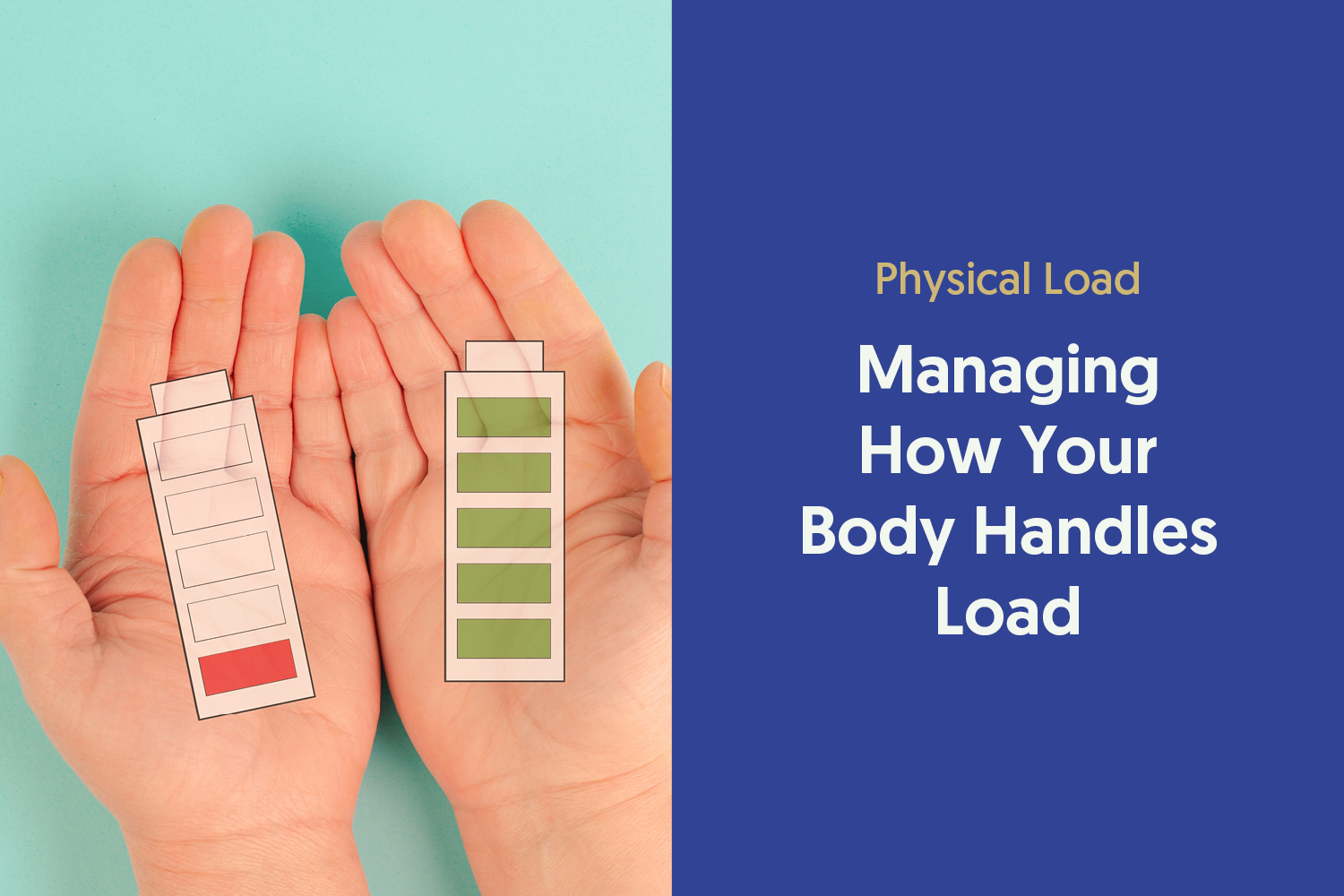
Do you know how much you carry over a lifetime, and how you carry it?
Maybe your shoulder bag always sits on the same side. Perhaps you always carry your groceries against the same hip. Tuck your laptop under the same elbow every day or hold your phone more often in one hand than the other.
These small, familiar loads add up, shaping how the body organises itself in space. You don’t do it intentionally, but the simple physics of weight and leverage, combined with repetition, leave their mark. Your body responds to what it’s asked to hold, and how it’s asked to hold it.
Chiropractic care can support the body’s ability to stay responsive in a world where the loads we carry are rarely even.
When you carry something, whether it’s heavy, awkward, or simply familiar, your body shifts around it. A bag pulls one shoulder slightly forward. Groceries gathered on one side draw the torso a little off‑centre. A child resting on a hip changes how the pelvis sits beneath you.
Load also doesn’t just sit in your hands or on your shoulder. It travels through you.
The body adjusts so the weight can be supported with the least amount of strain, even if that means leaning, rotating, or tightening in small, almost invisible ways. Over time, these patterns become part of how you stand, walk, and move through your day.
Every load has weight, and every weight has a direction. And not every load necessarily feels like a load.
Some of the things you carry barely register, like a phone, a water bottle, or a handbag with only a few items inside. But even small objects have weight, and even a minuscule weight has a direction.
A phone held mostly in one hand draws that arm forward more often. A light bag still tugs on one shoulder. A wallet in a back pocket shifts how you sit, even if only by a few millimetres.
Individually, these moments are nothing. But repeated across days, months, and years, they create patterns the body quietly accommodates.
You don’t notice the adjustments because they are subtle, familiar, and woven into the way you move through your day. Yet the body still responds, organising itself around whatever it is asked to hold, even when the object seems too small to matter.
But here’s the thing about loads.
Most of the ones you carry often aren’t evenly distributed. A bag tends to land on the side that feels easiest. Groceries gather on one hip because it’s the natural place to put them. A child settles into the arm you use most.
Even small things like phones, keys, or water bottles usually end up in your dominant hand. We all have a side that feels stronger or more coordinated, and the objects we carry tend to follow that preference.
These uneven pulls create small shifts through the body, and the body accommodates it without hesitation. It leans a little, rotates a little, or tightens in places that help manage the weight.
None of this is a problem. It’s simply the body responding to the reality that life is rarely symmetrical. The world is full of uneven loads, and the body adjusts so that those loads can be supported with as little strain as possible.
Over time, these adaptations become familiar patterns because they’re practical responses to the way you move through your day.
Unfortunately, life doesn’t hand out balanced loads. Most of what you carry is uneven, shifting, or gathered to one side, and your body does its best to organise around it.
Chiropractic acknowledges this reality. It doesn’t change the loads you carry or the way life arranges them, but it can support the body’s ability to stay responsive as those loads come and go.
In a world where weight is rarely shared evenly, that responsiveness can make everyday movement feel more manageable.
You can’t avoid every uneven load, but you can make small choices that reduce the ones that don’t need to be there.
Sometimes it’s as simple as placing heavier items where they’re easier to reach so you’re not lifting them from awkward angles. Sometimes it’s choosing a bag that spreads weight more evenly, or swapping hands when you’re carrying something light so one side isn’t doing all the work.
Even the way you set up your space can make a difference, because the objects you use most often tend to shape the positions you return to throughout the day.
These small environmental tweaks make the loads you carry more manageable. Life will always hand you uneven weight, but you can certainly choose how much extra you add to the mix.